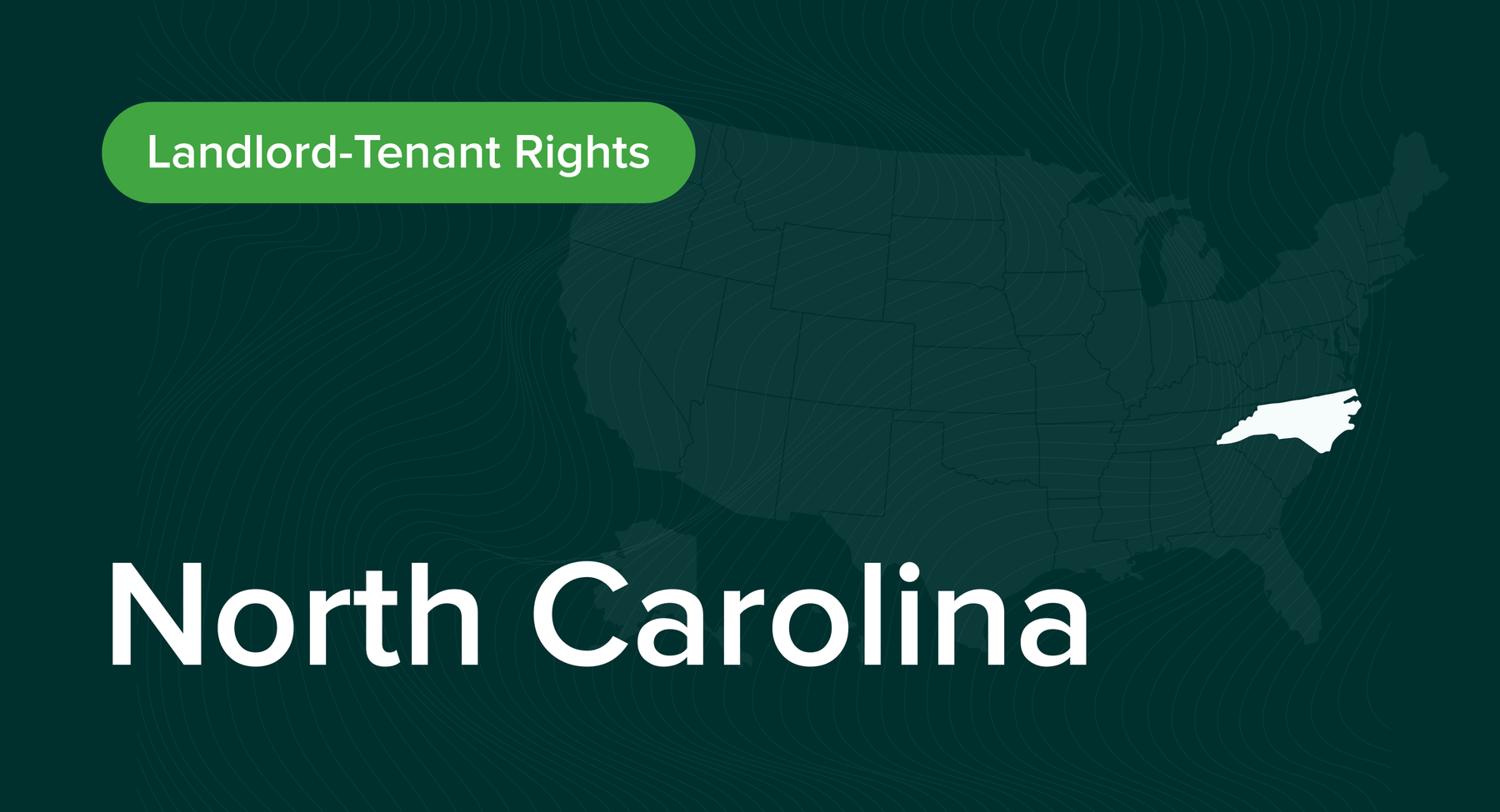
As a landlord or a property manager in the state of North Carolina, it’s critical to understand North Carolina renter’s rights to foster a healthy landlord-tenant relationship, protect your investment, and ensure legal compliance. After all, knowledge is power. And in the rental world, the more you understand, the better your rental experience.
In broad terms, North Carolina is considered a landlord-friendly state, but that doesn’t mean tenants don’t have legal rights and protections, too. Understanding landlord-tenant rights is essential whether you’re a landlord, property manager, or tenant.
In this comprehensive guide, we’ll dive into the fundamentals of North Carolina’s landlord-tenant laws, helping you navigate the rental process while abiding by state regulations. We’ll go over the lease/rental agreement, tenant rights and responsibilities, repairs and maintenance, and evictions and foreclosures.
To get started, here’s a snapshot of renters rights in North Carolina:
- Lease Agreements: Renters must adhere to the terms of the lease or rental agreement, which is a written legal document between landlord and renter.
- Habitable Housing: Tenants are entitled to a habitable rental property.
- Landlord Entry: In North Carolina, landlords may enter the property without giving advance notice. This is unique compared to other states, where a landlord typically must get permission to enter ahead of time.
- Repairs and Maintenance: Landlords are obliged to carry out necessary repairs. Tenants in North Carolina have the right to withhold rent payments if the landlord fails to make repairs under certain circumstances.
- Eviction: Landlords may evict tenants for non-payment of rent or violation of the lease terms without advanced notice.
For more details, check out the guidelines provided by the North Carolina General Statutes Chapter 42. Now, let’s take an in-depth look at lease agreements and how they work.
Understanding a Lease Agreement in North Carolina
A lease agreement is more than just a piece of paper—it’s a legally binding contract that outlines the rights and responsibilities of both landlord and tenant. These agreements lay the foundation for a successful and legally sound landlord-tenant relationship.
Importance of Reading and Understanding a Lease Agreement
Both landlord and tenant should get to know their lease agreement so they can know their responsibilities. As a landlord, it’s a good idea to always include a written lease agreement, regardless of the lease duration. This simple precaution can safeguard both parties in cases of a legal dispute in a court of law.
(Hint: our TenantCloud platform provides a space for landlords and tenants to share lease agreements online, allowing for transparency and clear understanding. Easy, peasy.)
What to Include in a Lease/Rental Agreement
A North Carolina lease agreement should include several key elements. Here are some of the most important details to have:
- Names of all parties involved: This includes the landlord’s or property manager’s name as well as the names of all tenants occupying the property.
- Property description: A detailed description of the rental unit, including its location and any pertinent features.
- Rent amount and due date: The lease agreement should clearly state how much the rent is, when it’s due, and the acceptable payment methods.
- Lease term: The duration of the lease should be clearly defined, indicating when the lease begins and ends.
- Security deposit details: This includes the amount of the security deposit, reasons for deductions, and the procedure for returning the deposit at the end of the lease.
- Repair and maintenance responsibilities: The lease should outline who is responsible for specific repairs and regular maintenance tasks.
- Policies on late rent and eviction: It should be clear what happens if the rent is late, including any late fees. The lease should also explain the eviction process in the event of a lease violation.
- Tenant’s rights: The lease should clearly state that the tenant has the right to a safe and habitable living environment.
Before signing on the dotted line, make sure to understand your lease agreement thoroughly. If you need any clarification or have any questions about your agreement, it’s a good idea to seek legal advice from an attorney.
Rights and Responsibilities of Tenants in North Carolina
As a tenant in North Carolina, it’s crucial to understand your rights to not only protect you from unfair practices but also establish your obligations as a renter. Let’s dive in.
Tenant's Right to Safe and Habitable Housing
First and foremost, every tenant in North Carolina has the right to a safe and habitable living space. This means that the landlord is obligated to keep the property in a condition that meets basic living and safety standards. This includes having running water, proper heating and cooling systems, safe electrical systems, and no infestations of pests or rodents.
If the property falls below these standards, a tenant has the right to withhold rent until necessary repairs are made. However, this can only occur under two specific circumstances: either the landlord has given written consent, or a judge or civil magistrate allows it through a court order.
Tenant's Responsibility to Pay Rent and Maintain the Property
While tenants have the right to a safe living space, they also have responsibilities. Some of these duties include:
- Paying rent on time according to the rental agreement
- Maintaining the property (including keeping the rental clean and disposing of trash)
- Communicating with the landlord if the property is damaged or repairs are needed
If a tenant fails to do so, landlords have the legal right to initiate an eviction to have them removed from the property.
Tenant's Right to Privacy and Quiet Enjoyment
In North Carolina, tenants have a right to privacy and quiet enjoyment of their rental unit. This means that landlords cannot enter the rental property without providing reasonable notice, except in cases of emergency.
While the state of North Carolina does not have specific regulations on how much notice landlords must give before entering the property, it’s generally considered good practice to provide at least 24 hours notice. Landlords should respect these parameters to avoid violating tenant privacy.
Tenant's Responsibility to Comply with Lease Terms
Finally, tenants must comply with the terms and conditions outlined in the lease agreement. This includes rules about pets, noise, smoking, subleasing, and more. If tenants violate the terms of the lease, the landlord may have grounds to evict them.
How to Handle Repairs and Maintenance Issues in North Carolina
As a landlord or property owner, you may eventually find yourself in a situation where repairs and maintenance are needed in your rental unit. Since landlords are required to keep their rental properties in habitable condition, it’s important to address repairs as soon as possible to comply with local housing and building codes.
(Hint: We make it easy to stay on top of rental repairs with the Maintenance tab inside TenantCloud. Just log into your TenantCloud account, and you can create new maintenance requests, assign service professionals, and track and pay invoices.)
What to Do if a Landlord Refuses to Make Repairs
If you’re a tenant and your landlord refuses to make repairs after you’ve requested them, you have several options. You can reach out to local housing authorities or take legal action. However, before you take these steps, it’s important to document everything. This includes your repair requests, any responses from your landlord, and the condition of your home.
In some cases, you may have the right to withhold rent until repairs are made, a process known as rent abatement. Always consult with a legal expert before taking this step, as it may have legal implications.
Legal Aid and Tenant Rights Clinics in North Carolina
Understanding Evictions and Foreclosures in North Carolina
Both evictions and foreclosures can be stressful and challenging experiences. But with a solid understanding of tenant rights in North Carolina, you can navigate these situations confidently. In this section, we’ll discuss the reasons for eviction, the eviction process, and your rights during foreclosure. For more information, visit our article on evictions in North Carolina.
Grounds for Eviction in North Carolina
In North Carolina, a landlord may begin the eviction process for several reasons, with most common being a failure to pay rent. If a tenant is late on rent, the landlord may provide a Notice to Pay or Quit, which is essentially a warning that eviction proceedings will start unless the outstanding rent is paid.
Other grounds for eviction include lease violations, such as having unauthorized pets or causing significant damage to the property.
The Eviction Process in North Carolina
In order to evict a tenant, a landlord must follow each step in North Carolina’s eviction process. In most cases, the eviction process begins with a notice to quit given to the tenant by the landlord. The length of notice depends on the term of the lease:
- Month-to-month Leases: seven-day notice
- Year-to-year Leases: notify tenant within a month of the end of the lease
If the tenant does not comply with the notice to quit, the landlord can file a complaint in court. After a judgment has been entered against the tenant, the Clerk issues a “Writ of Possession”, and only then can the tenant be evicted by the sheriff or other authorized official. Typically, the entire eviction process takes about three weeks.
Landlord-Tenant Rights During Foreclosure
Foreclosure can be frustrating for landlords and confusing for tenants. In North Carolina, if a rental property is being foreclosed on, the tenant still has certain rights.
Under Federal law, tenants have the right to stay in the property until the end of their lease, even if the property is sold at a foreclosure sale. There’s an exception if the new owner plans to use the property as their primary residence. In this case, they can terminate the lease with 90 days’ notice.
Resources for Tenants in North Carolina
Navigating landlord-tenant rights can be challenging, but you’re not alone. In North Carolina, several organizations are committed to providing resources and support for tenants. These include:
Department of Housing and Urban Development (HUD)
The Department of Housing and Urban Development (HUD) is a valuable resource for tenants, especially when it comes to dealing with housing discrimination, bad landlords in federal housing, and many other issues. HUD provides various services and programs to assist tenants in understanding their rights and resolving disputes. Reach out to them for complaints related to tenancy.
Legal Aid of North Carolina
Another excellent resource for tenants is Legal Aid of North Carolina, which offers a free Tenant Rights Clinic. They provide general legal information and guidance and have a volunteer attorney available to answer questions. These clinics are held throughout the state and are also available online.
North Carolina Department of Justice
The North Carolina Department of Justice provides valuable information and services to protect tenants’ rights. They have resources and guidelines to help tenants understand their rights and responsibilities.
American Bar Association
The American Bar Association (ABA) offers resources and educational material to help landlords and tenants understand their legal rights and responsibilities.
Conclusion
Remember that understanding North Carolina landlord-tenant rights means empowering yourself. It’s about recognizing what’s fair and legal and engaging effectively with your landlord. And while navigating these waters may seem overwhelming, our TenantCloud platform is here to help.
At TenantCloud, our goal is to make your rental experience as smooth and stress-free as possible, whether you’re a property owner, landlord, or tenant. Try TenantCloud today and see how easy it is to communicate between landlord and tenant, request maintenance repairs, pay rent, sign lease agreements, and more.