

Making rent payments doesn’t always go as planned for renters. Paychecks can misalign with rental payment dates, leading to financial stress and tenants falling behind.
Paying rent in installments is a smart, modern solution to this problem. This approach enables renters to make regular rent payments in split amounts rather than one lump sum.
This guide explores what rent installments mean today and how they work. We'll look at how it can reduce financial stress for tenants and improve cash flow for landlords and property managers.
TL;DR
Letting tenants pay their rent payments in installments benefits you and your tenants. Landlords receive more consistent rental payments over the month when they allow flexible payments that align with renters’ needs. This enables you to maintain steady cash flow while allowing renters to break up payments.
How Does Paying Rent In Installments Work?
Traditionally, renters would pay the full rent amount on the date specified in their rental contract—usually an arbitrary day based on the day they moved in.
With so many ways to earn a paycheck today, many people are on different payment schedules, making it difficult to make a full rent payment.
Enter the split payment. Letting tenants pay rent in installments each month means cutting the bill up into smaller payments (usually between 2 and 4).
For example, landlords can ask their tenants to pay half of the rent on the first of every month and then the other half on the fifteenth when they have funds. This takes off the pressure and can improve the landlord tenant relationship.
Example: A tenant pays $1,600 rent in two installments:
- $800 on the 1st
- $800 on the 15th
If both payments are completed on schedule and reported, they are treated as one fully paid rent obligation for the month.
The goal of this approach is to ensure that the landlord receives the full amount of the rent owed to them on time. Tenants pay in smaller chunks, reducing the risk of balloon payments they can’t afford at the end of the month.
Applying flexible payment options like these was more administratively challenging in the past before the rise of apps. Now though, property management software makes it easy to track while reducing your risk.
Reasons to Offer Flexible Rent Payment Options
Rents today are often greater than 30% of a tenant's income. Unexpected bills create pressure for many renters, creating the need to divide costs throughout the month. Ultimately, flexible rental options align better with these realities.
But what's driving this demand? One factor is changes in workforce structure. Hourly employees and gig workers don't always get paid at the same time every week or month and need more flexible rental options.
1. Reduce financial stress for tenants
Rental payment pressure can cause anxiety for renters. This reality sometimes leads them to make tough financial choices (like skipping utility payments or grocery shopping).
Therefore, landlords who help their renters avoid large payments by breaking them into smaller ones are often praised. They're often viewed as providing a better service.
For example, asking renters to pay half when they get their first paycheck of the month and then the other half when they get their second reduces their financial and psychological burden. Payments align better with their income and budget.
As a reality check, most tenants are facing financial stress. They want to reduce the risk of missing payments or having to pay late fees. Smaller payments are more likely to match their monthly budgeting and cash flow needs.
Most renters have fear and anxiety about large rental payments. However, after implementing flexible payment plans, renting often feels considerably more manageable to them. As the landlord or property manager, this makes you more attractive.
2. Improve cash flow with flexible rent payment options
As a landlord, your biggest concern might be your cash flow. Your real estate assets need to generate income in order for you to receive an acceptable return on your initial investment.
Flexible rent payment options can actually stabilize cash flow when structured correctly. Instead of waiting on a single large payment that may arrive late, split payments align rent due dates with tenant pay cycles. That reduces the likelihood of missed payments and spreads income more evenly across the month.
Pro Tip: With TenantCloud, you can automate installment schedules, set up recurring ACH payments, and send automatic reminders—all while tracking every transaction in one dashboard. That means flexible payments without extra manual work or spreadsheet tracking.
3. Prevent late fees and missed rent payments
Missed payments and late fees are among the most pressing issues for property managers. If a tenant doesn't make on time payments, you need systems in place to encourage them to get back on track.
By enabling more flexible payments, landlords cn reduce the risk of late payments and help tenants avoid late fees.
Pro Tip: Even if you offer flexible options, renters may still skip a rent payment. Clearly outline late fees, grace periods, and payment schedules in your lease agreement so your rights are protected.
Top Methods for Accepting Rent Installments
This will vary depending on you and your tenants' needs. Here are some common examples:
- Splitting rent 50/50 between the 1st and the 15th of the month
- Paying rent biweekly
- Paying every week in four smaller payments across the month
- Fully customised schedules that align with income payments
Pro Tip: Rent collection apps, like TenantCloud, provide even more customization options. For example, you can automate rent scheduling so that tenants can make multiple payments with their payment method of choice, including debit card.
Pros and Cons for Landlords
Offering split rent payments can improve tenant satisfaction and reduce friction—but it’s important to weigh both sides before implementing a flexible system.
Pros
- Higher tenant satisfaction and retention: Flexible options show responsiveness to tenant needs who are more likely to renew their lease.
- More competitive listings: Flexible payment options can differentiate your property in tight rental markets.
- Steadier cash flow (when automated): Installments aligned with pay cycles reduce late-payment risk.
- Fewer disputes and late fees: Smaller payments can prevent large, missed lump sums.
Cons
- More payment tracking: Without automation, multiple payments can increase bookkeeping complexity.
- Potential fee structure considerations: Depending on your payment processor, per-transaction fees may add up.
- Policy clarity required: Lease agreements must clearly define due dates, grace periods, and consequences for missed installments.
- Not ideal for every tenant: Some renters prefer one simple monthly payment.
When structured properly—and supported by property management software—flexible payment options can strengthen tenant relationships while protecting your bottom line. The key is setting clear terms and automating the process wherever possible.
How to Set Up and Manage Multiple Rent Payments Successfully
Offering installment-based online rent payments requires more than good intentions. Clear policies, strong documentation, and the right tools make the difference between a smooth system and administrative chaos.
Here’s how to simplify the process and protect your rental business.
1. Start With Clear Lease Terms
Flexible rent payments should always begin in writing.
Update your lease documents to clearly outline:
- The total monthly rent amount
- Installment due dates
- Grace periods (if any)
- Late fee policies
- What happens if one installment is missed
You may also need to update your welcome packages including welcome letter, rules addendums, and any special payment plan agreements. This keeps things consistent and fair.
2. Create a Payment Structure That Works for Your Portfolio
Not every property or tenant needs the same arrangement. Some landlords offer:
- 50/50 splits (1st and 15th)
- Biweekly payments aligned with pay cycles
- Four smaller weekly installments
- Customized schedules for specific situations
You can choose to offer flexible payments portfolio-wide or selectively based on tenant screening and risk tolerance. The key is ensuring the full monthly rent is still paid on time.
3. Use Property Management Software to Automate
Without automation, tracking multiple payments per unit can quickly become time-consuming. Property management software often has secure transactions built in, allowing you to automate payment schedules. It can also:
- Send automatic payment reminders and receipts
- Track rent rolls in real time
- Integrate payments with accounting reports
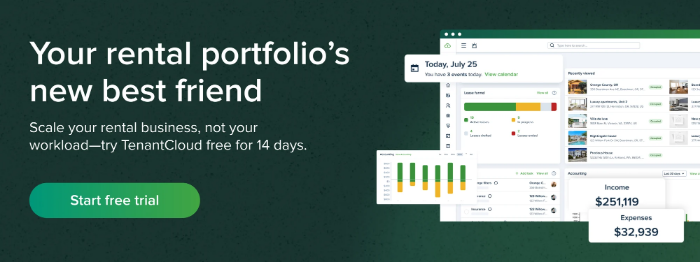
With platforms like TenantCloud, everything is automatically logged and organized.
4. Communicate Expectations Clearly
If you offer flexible rent options, make it clear right away. You can add this verbiage to your listings and advertising. Make sure to clearly outline it in your lease agreement and onboarding materials, too.
When renters understand the structure upfront, it reduces confusion and improves compliance.
5. Maintain Professional Boundaries
Flexible payments should not mean informal arrangements. Policies must remain consistent and documented.
Automation helps enforce deadlines without damaging relationships. Instead of personally chasing tenants for payments, reminders and late fee rules can run automatically through your system.
In Summary
Ultimately, the effect of flexible rent collection is higher resident satisfaction. It's a win win for all parties involved, including landlords who can expect fewer void periods and greater tenant retention.
Landlords who offer flexible payments often receive positive reviews on review sites. Renters appreciate fewer restrictions, especially when they can pay in ways that align with their paychecks.
Need a property management software that offers flexible rent payment options from roommate payments to split payments? Try TenantCloud today.
FAQs
What does it mean to pay rent in installments?
Paying rent in installments means that renters split the monthly rental payment up into smaller chunks that are more manageable. It is not a loan where renters have to pay back parts of the rental amount over several months.
Do flexible rent payment options affect cash flow?
Flexible rent payment options usually improve landlord cash flow when implemented correctly. Software like TenantCloud can enable renters to front money while automating collections. This way, money enters your bank account on the dates you expect.
Are the extra fees involved when tenants pay rents flexibly?
Extra fees only come into the picture depending on the type of service you use to facilitate installment-based rent payment plans. Landlords usually don't pay extra when using high-quality property management software.


