TL;DR
• Tiny homes offer affordability, energy efficiency, and a smaller environmental footprint, but they also bring space limits, zoning restrictions, and financing that doesn't look like a typical mortgage.
• Rental income potential varies a lot by location too. Some markets have real demand for tiny homes, others barely any.
• The article looks at the real costs and trade-offs so you can decide before buying or renting one out.
Over the years, the tiny house movement has been anything but small. Netflix series like Tiny House Nation, The Minimalists, and even Tidying Up with Marie Kondo, keep minimal living in the spotlight. Although these adorable little dwellings come with less square feet, a smaller footprint, fewer materials, and the promise of affordability compared to traditional homes, a tiny house can have its drawbacks.
The cost of tiny homes may be more than just cost per square foot. Here, you can explore what a tiny house is, the cost to live in or build a tiny house, and the advantages and drawbacks of the lifestyle.
What is a Tiny House?
The general consensus is that a tiny house or tiny home is less than 400 square feet in size. This is almost ⅙ of the space of the national average in 2025, which was 2,377 square feet for a single family home. But, if you’re living in a 500 square foot house, you probably won’t be rejected from the tiny home living community.
People who opt to live in a tiny house tend to share values like:
- Sustainability
- Affordability
- Minimalism
- Mobility
Ideally, tiny homes have lower environmental impact than larger, traditional houses. While add-ons like solar panels or other renewable energy sources and composting toilets are optional, they’re common in these homes. Hence, they often align with the growing demand for green properties.
Because of their size, lower costs from smaller appliances, less electricity, a smaller septic system, and simpler utility hookups can make the tiny house lifestyle an affordable option. And, this type of living is inherently minimalist, because it requires the dweller to downsize possessions to only the essentials and focus on experiences over material items.
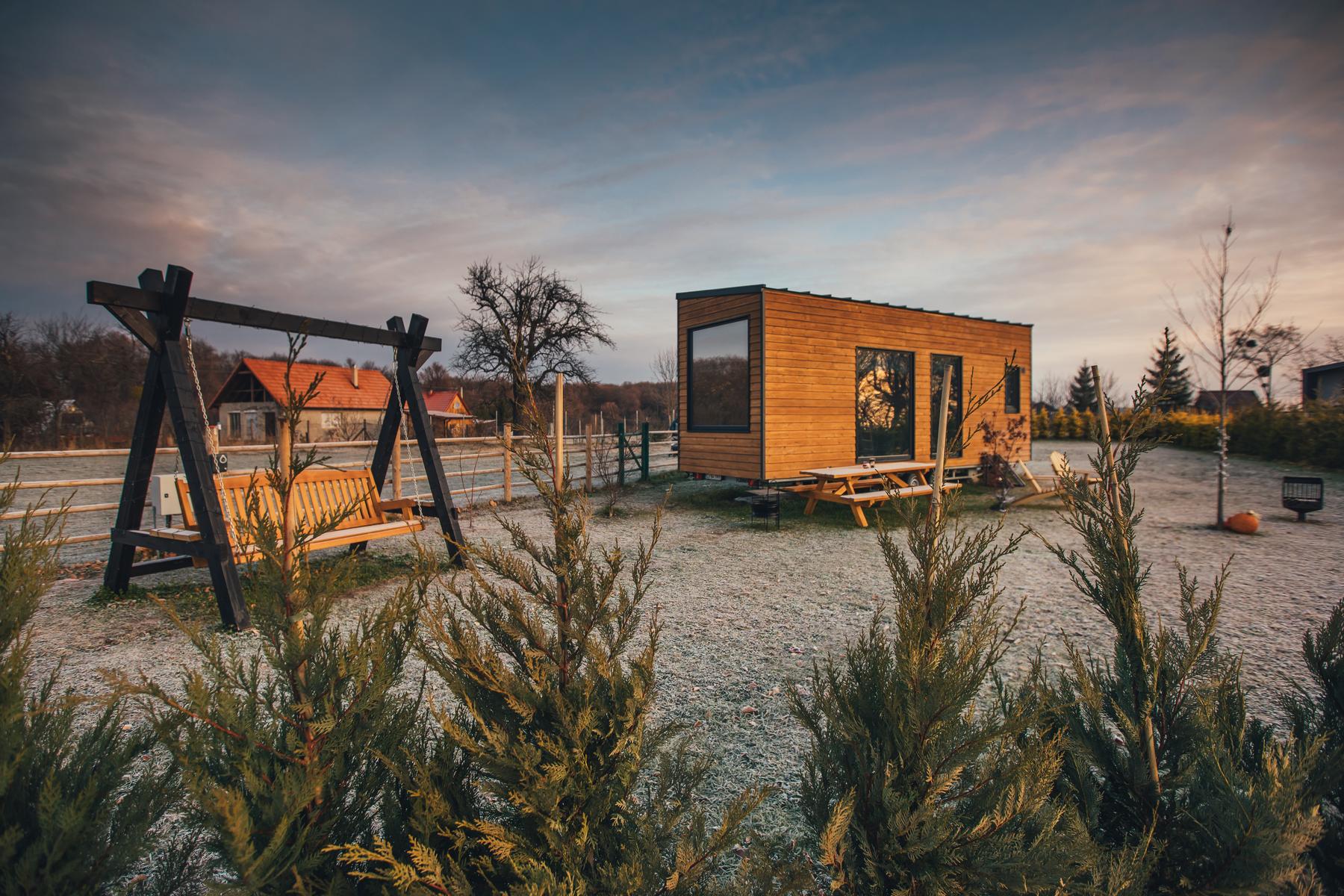
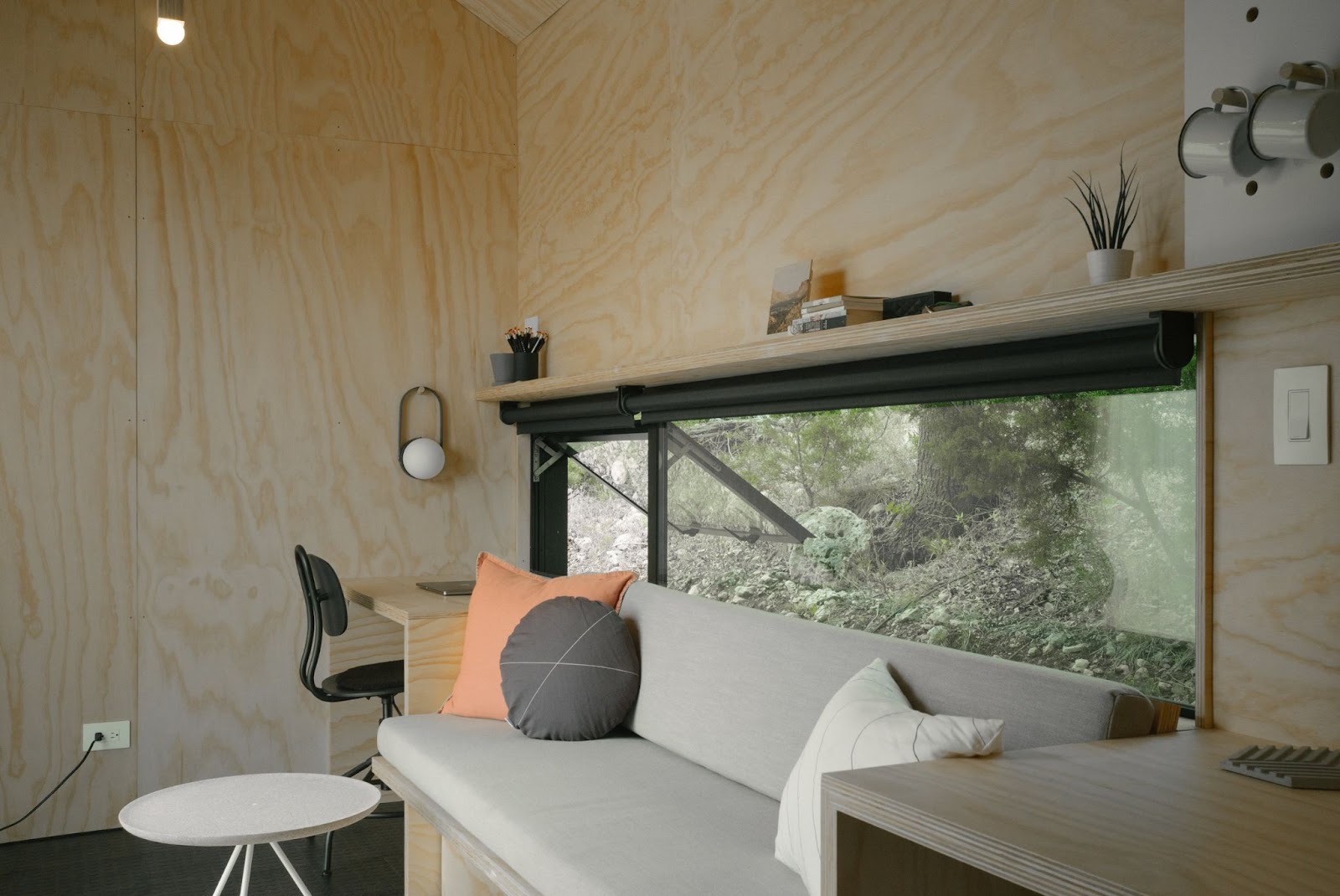
Tiny homes can be any shape or size, and might be converted from sheds, RVs, school buses, or shipping containers. A tiny home can be stationary with a permanent foundation, or it can be a mobile home, a tiny house on wheels.
Because of their appeal, a tiny home (or two) may be just what a landlord needs to strengthen their real estate portfolio.
Tiny House Prices Per Square Foot
According to Rocket Mortgage, the average price of a tiny house is $300 to $400 per square foot. This means that you could expect to pay $120,000 to $160,000 for a 400 square foot home.
However, if you were to look in Newport Beach, California, one of the most expensive places to live in the U.S., lots themselves could cost more than $1 million. At the same time, you might shop in Enid, Oklahoma, one of the nation’s cheapest places to live, and find a tiny home on land for less than $30,000.
Tiny house costs can vary based on several factors like:
- Location
- Land size
- Building materials
- Labor costs
- Property taxes
In all, the cost for a tiny home might range from $30,000 to $160,000 or more, which means you might pay anywhere from $75 to $400 and up per square.
Are Tiny Homes More Affordable Than Manufactured Homes?
According to Rocket Mortgage, manufactured homes cost approximately $87,900 for a single-wide (400-1,200 sq. ft.) and up to $157,000 for a double-wide (700-2,200 sq. ft.). This means the estimated cost per square foot is between $73.25 and $224.29.
At $75 to $400 per square foot, tiny homes are generally more expensive per square foot than manufactured homes, especially at the high end of the price spectrum. While the most affordable manufactured homes are cheaper than the most affordable tiny homes, some tiny homes might be cheaper per square foot than the most expensive manufactured homes.
The Cost to Custom Build Your Own Tiny House
If you’re handy and like to tinker, you may be able to build your own tiny house. When it comes to tiny house construction, you can potentially decrease the cost compared to buying outright. The best part is, you’ve got limitless options.
Some of the possibilities include:
- Purchase a tiny home kit online: Expect to pay somewhere between $15,000 to $50,000 and up for kits in the 300 to 900 sq. ft. range. These usually include a tiny house shell or frame and finish materials.
- Remodel an existing structure on your land: Costs can vary widely depending on the structure’s condition and the extent of the remodel.
- Buy and convert a used shipping container: Conversion costs for a shipping container might range from $10,000 to $40,000, not including the container itself.
- Refurbish an old RV or camp trailer: This is often the cheapest option, with costs ranging from a few thousand dollars to $15,000, depending on the necessary repairs and upgrades.
Keep in mind that the overall cost can fluctuate considerably, and the figures mentioned above are simplified. To see a full breakdown, explore a complete guide to tiny house costs.
It’s a good idea to consult a professional before you take on any major project, since a small mistake can cost extra time and money. Don’t forget to look into necessary building permits and local zoning laws. Always factor ongoing maintenance into your budget and stay up-to-date with real estate trends.
Do You Need a Building Permit to Build a Tiny Home?
You usually need a building permit to construct any home, including a tiny home, in the U.S. If you build without one, you could face fines, legal trouble, problems getting insurance, or even be forced to tear it down.
The rules can change a lot, depending on where you are. Some locations are subject to regular building codes, but others have special, simpler rules just for tiny homes.
To find land for a tiny home, consider looking for:
- States that have adopted Appendix Q, which has simplified building code rules for homes under 400 square feet.
- Unzoned rural land where you might avoid complex building inspections and permits. Note that local building codes may still apply.
- Tiny home communities that have already handled the legal steps and compliance with local building codes.
First, you need to find land and understand the rules. Following legal requirements like getting permits and meeting codes, can determine where and how you can place your tiny home.
Permanent Tiny House Financing Options
Just because tiny homes are unlike traditional homes, doesn’t necessarily mean that you have to pay cash to buy or build one.
Some tiny home financing options include:
- Personal loans: These are often the most straightforward way to finance a tiny home, especially for homes on wheels or those that don’t meet traditional mortgage requirements.
- Chattel loan: This is a loan designed for mobile or manufactured homes, which can be a good option for tiny homes built on a trailer chassis.
- Home Equity Line of Credit (HELOC): If you’re purchasing land or already own real estate, you may be able to take out a HELOC to fund all or part of your purchase or construction.
- Traditional mortgage: While it is very difficult to purchase a tiny home with a mortgage, it is possible. If you find a tiny home that meets foundation requirements, size and loan amount requirements, and complies with local zoning requirements, consult with a mortgage broker.
While traditional financing can be challenging, a variety of alternative lending options can make the dream of becoming tiny homeowners a very real possibility.
The Pros and Cons of Living in or Renting Out a Tiny Space
What is an advantage to one person can be a disadvantage to another. Here are some of the realities of living in or renting out a tiny home to consider before you decide what’s right for you.
1. Lower Costs Can Support Financial Freedom
One of the biggest reasons behind the growing popularity of tiny homes is the chance to save money. Compared to a traditional house, the average tiny home often comes with a lower upfront price and fewer ongoing expenses. For many Americans, this can support long-term financial freedom, especially when you reduce or avoid a mortgage.
Still, the real cost is not always as simple as a lower price tag. When you ask, “How much does a tiny home cost?,” the answer depends on more than just size. Land, utilities, and setup all add to the total. While the cost of a tiny home may look low at first, other factors like permits, hookups, and upgrades can raise the final number.
2. Limited Space Requires Lifestyle Changes
The most obvious trade-off is limited space. With the typical tiny home size being under 400 square feet, you would need to adjust how you live day to day. Storage tends to becomes a challenge. And, every item you own will need a purpose.
This can be a positive tenant experience for someone who wants a simpler life. Many people use small spaces to create a more organized and intentional routine. At the same time, it may feel restrictive if you work from home, have a family, or need privacy. The small square footage can also limit how you host guests or expand your living setup later.
3. Rental Income Potential Depends on Location
Some owners choose to rent out their tiny home instead of living in it full-time. In the right market, a small space can create steady income, especially as short-term rentals stay in demand. Unique stays often attract travelers who want something different.
However, success depends heavily on one location. Local laws, zoning rules, and tourism demand all play a role. In some areas, restrictions can limit your ability to rent. Other factors, like competition and seasonal demand, might also affect how much income you can expect.
4. Energy Efficiency and Sustainability Benefits
Most tiny homes use fewer resources than larger houses. Their size alone reduces energy use, and many include sustainable features like solar panels or other renewable energy sources. This can lower utility bills and reduce environmental impact.
That said, these upgrades are not always cheap. Installing off-grid systems or eco-friendly features can increase the upfront cost. You may still save over time, but it takes planning to balance sustainability with affordability.
5. Building and Labor Costs Can Vary Widely
If you plan to build, several factors affect the final price. Materials, design, and whether you hire help all matter. Professional labor can raise costs quickly, especially if you want custom features or high-end finishes.
Some people try to build on their own to save money. While this can reduce expenses, mistakes can add to the real cost later. Working with experts or following guidelines from a national association like the Tiny Home Industry Association can help you avoid costly errors and meet safety standards.
6. Maintenance and Long-Term Value Considerations
Tiny homes often have lower upkeep needs, but regular maintenance is still important. Small systems, like plumbing or electrical setups, need consistent care to avoid issues in a compact space.
Another factor to consider is value over time. In many cases, a tiny home may act more like a depreciating asset than a traditional house. This is especially true for homes on wheels. While you may save some money upfront, resale value might not increase at the same rate as a standard property.
7. Flexibility Can Be a Major Advantage
One benefit that stands out is flexibility. Some tiny homes allow you to move when needed, which can suit a changing lifestyle. Others stay in one location, but still offer a simpler way to live.
This flexibility helps many Americans explore new ways to create a home without long-term commitments. At the same time, it requires careful planning. Zoning rules, land access, and setup costs all play a role in how practical that flexibility really is.
Start Your Tiny Home Rental Journey With TenantCloud
Tiny homes can offer a path to financial freedom, but success depends on how well you manage the real cost, limited space, and other factors that affect long-term value. If you plan to rent it out, the right systems can help you stay organized, save money, and create a smoother experience for both you and your tenants.
TenantCloud gives you the tools to manage listings, screen renters, collect payments, and track maintenance in one place. If you’re ready to turn a small space into a smart investment, sign up to build a rental strategy that works.
FAQs
How much does a tiny house cost in the US?
The cost of a tiny house in the U.S. usually ranges from about $30,000 to $160,000 or more. On average, you might pay $300 to $400 per square foot, which is higher than many traditional homes. The final price depends on factors like location, materials, labor, and whether you build or buy. Costs for land, utilities, and permits can also increase the total.
What are the downsides to tiny living?
The biggest downside is limited space. Storage, privacy, and daily comfort can feel restricted, especially for families or remote workers. Zoning laws can also make placement difficult. Other challenges include reduced resale value, fewer financing options, and the need to downsize your belongings.
What is the lifespan of a tiny house?
A well-built tiny house can last 30 to 50 years or longer with proper care. The lifespan depends on construction quality, materials, and regular maintenance. Tiny homes on wheels may wear down faster due to travel and exposure, while those on a foundation tend to last longer.
What are the common mistakes in tiny houses?
Common mistakes include poor layout design, not planning enough storage, and underestimating utility needs. Skipping permits or ignoring zoning laws can lead to legal issues. Some owners also underestimate the real cost, especially when it comes to land, hookups, and professional labor.
What is the difference between a small house and a tiny house?
A tiny house is typically under 400 square feet, while a small house is larger, often between 400 and 1,000 square feet. Tiny homes focus on minimalism and efficiency, often with compact or multi-use features. Small houses offer more space and flexibility but still cost less than average-sized homes.