Get insider advice, rental management tips, and the latest TenantCloud updates—all carefully curated by our team and delivered straight to your inbox.
If moving seems too daunting for your tenants, do not panic! Being prepared for this journey is half the battle. Encourage your tenants to make a checklist and stick to it. Here are three useful tips to help make the moving experience seamless.
The dreaded part of being a landlord is having to deal with a tenant that will not pay. The investment you calculated is not paying for itself, and time is against you. The reality sets in that rent is not coming in, and you still have a tenant living in your rental.
Being a landlord involves moving in tenants, collecting rent payments, and solving the usual rental problems, such as looking for an experienced service professional to fix a dishwasher. It also means creating convenient conditions for both landlords and tenants to build solid relationships.

As a landlord, having long-term tenants who communicate well with you and are responsible is ideal. It’s especially helpful when they’re responsible; you’ll receive rental payments on time, which will improve your cash flow and help you pay your upcoming bills.
Managing rentals is definitely a profitable business, as long as you manage your cash flow accurately and collect rent on time. There is a statement in the lease that says that tenants agree to pay rent each month in exchange for living in the property.
A late fee (or late fine) is a charge against a tenant for not paying an invoice by its due date or after a grace period. Many tenants don’t know that landlords owe the bank a monthly payment, so if they are late then so is the landlord.
So you’ve found a perfect apartment – you like the interior, the neighborhood and most important – the price. But you should always remember that there are a variety of extra expenses that you may not have taken into account and that may end up emptying your wallet.
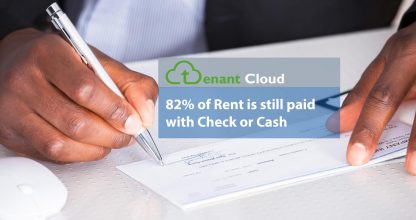
The Federal Reserve Bank of Boston, David Zhang, breaks down the survey of consumer payment choice and how rent is paid. The majority of payments are still non-electronic, but the trend in digital payments is increasing.