

TL;DR
Rental property maintenance requests are one of the most time-consuming and costly aspects of property management, but they don't have to be chaotic. You can often reduce the most common issues (HVAC, plumbing, electrical, and appliances) with preventative maintenance. Additionally, accurately estimating rental property maintenance costs using rules like the 1% Rule helps avoid financial surprises, and tracking hidden expenses ensures better tax outcomes.
Maintaining Rental Property Is Unavoidable
If you're a landlord, one of the parts of property management you can't avoid is maintenance. Often, that's also the most stressful part of owning rental properties.
Just one late-night plumbing emergency or a missed repair request can upset your tenants and create a lot of dissatisfaction, along with costly damage, or even legal exposure. When it's handled right, though, maintaining your properties because a controllable, predictable system instead of a constant headache.
In 2026, it's essential to be proactive as a landlord. To do that, there are some things you need to know, including the most common maintenance requests and how to accurately calculate your rental property maintenance costs. You'll also want to look at how you handle and track requests, and how modern tools are changing landlord workflows. Whether you own just a couple of units or you're managing a growing portfolio, having clear stratagies can lower your costs and keep your tenants happier.
What Are the Most Common Rental Property Maintenance Requests?
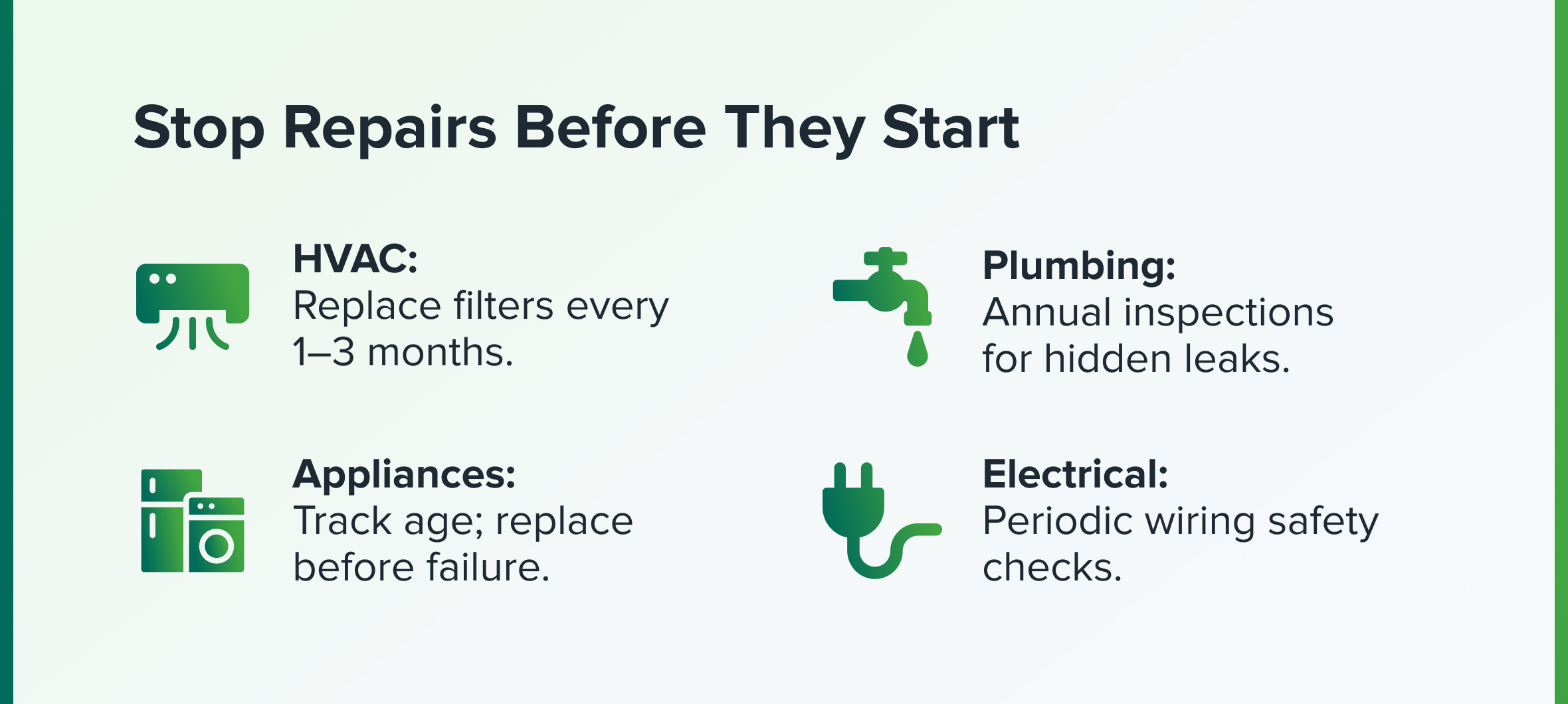
Knowing the most frequent maintenance makes it easier for you to stay proactive and focus on prevention. Most maintenance issues fall into the following categories:
- HVAC Issues: Heating and cooling problems are often urgent complaints, especially during extreme weather. Tenants may complain about dirty filters, thermostat malfunctions, or failing units.
Preventative tip: Replace the HVAC filters every 1 to 3 months and schedule yearly service to increase the lifespan of your system.
- Plumbing Leaks and Clogs: From dripping faucets to clogged drains, plumbing issues are common and can be destructive. if you don't correct them, small leaks can lead to mold and structural damage.
Preventative tip: Conduct routine inspections and educate tenants on what should never go down drains.
- Electrical Problems: Nonworking outlets, flickering lights, and tripping breakers can mean wiring issues that are big safety risks for your tenants.
Preventative tip: Periodically inspect wiring and upgrade outdated systems in older properties.
- Appliance Failures: Refrigerators, ovens, washers, and dryers all eventually wear out. You'll see frequent and urgent requests for these if you have a lot of properties.
Preventative tip: Track appliance age and replace units proactively before they fail.
Along with the issues above, you need to distinguish between:
- Emergency maintenance: These are problems that affect safety or habitability, like not having heat, experiencing flooding, or dealing with an electrical hazard, and require immediate response.
- Routine maintenance: These are non-urgent repairs or upkeep tasks that don't need done right away. They can be scheduled for later.
Clear definitions, ideally ones that are written into your lease and SLA response timelines, help ensure that you're complying with evolving habitability standards, which are essential for your success.
The Real Cost of Rental Property Maintenance: Averages and Hidden Expenses
If you want to be profitable as a landlord, you need to accurately estimate your rental property maintenance costs. In fact, one of the common answers to the "Why do landlords not allow pets?" question is that it creates additional maintenance and repair expenses. Many landlords underestimate their overall maintenance expenses, which can lead to cash flow problems.
Common Budgeting Rules
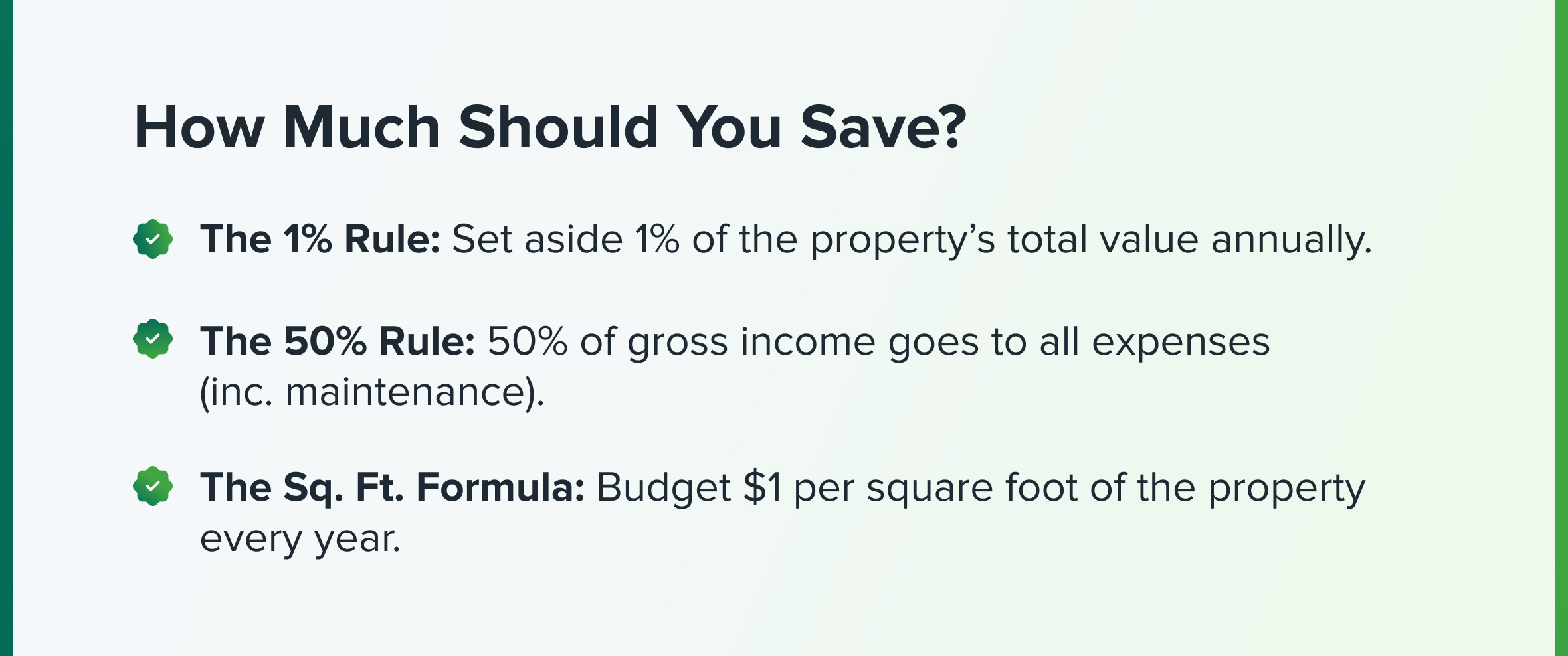
One common budgeting rule is the 1% Rule, which says you should set aside 1% of your property's value annually for maintenance. A $300,000 property would require roughly $3,000 per year.
The 50% Rule is also important, and it assumes that you'll need 50% of your rental income for expenses, including maintenance, taxes, and insurance.
The Square Footage Formula is another good budgeting idea. To use this method, you'll budget $1 per square foot annually. A 2,000 sq. ft. home would need about $2,000 per year.
These rules can offer some great guidance, but keep in mind that your true annual costs will vary based on the age of your property, the behavior of your tenants, and where you're located.
Hidden Expenses Landlords Often Miss
There are some big expenses that landlords sometimes overlook, including fees for calling contractors to come out and make repairs. Not only that, but vacancy costs can add up, and delayed repairs mean delayed move-in dates, so you're losing out on rent.
As you plan your budget, be sure to add in emergency premiums. After-hours or urgent repairs often cost extra, and you'll want to be prepared for that. Also, set some money aside for depreciation and replacements, because when you create a maintenance budget, it's vital to plan for big-ticket items like roofs and HVAC systems.
Tracking your expenses as a landlord is also about tax optimization. When you have the right documentation, you can categorize your repairs and capitalize on improvements to maximize your deductions. Using tools designed for property management accounting ensures nothing slips through the cracks at year-end.
How to Effectively Handle and Track Maintenance Requests
If you want to make your property management more efficient, you need a structured workflow. Without it you can misplace requests, and that leads to slow response times and unhappy tenants.
Traditional Workflow Breakdown
From tenant issue through to final payment, the traditional workflow process typically looks like this:
- The tenant identifies a problem
- The tenant submits a complaint (call, text, or email)
- The landlord reviews and prioritizes the issue
- A contractor is contacted and scheduled
- A repair is completed
- An invoice is received and paid
- A record is logged for accounting and compliance
Why You Need a Rental Property Maintenance Request Form
Having a standardized rental property maintenance request form means you don't need guesswork and won't have as much miscommunication. It ensures every request includes a clear description of the issue, photos or videos, an urgency level, and the tenant's contact information.
Without a form, you could be getting vague texts like "the sink is broken," which doesn't give you any details.
Pain Points of Manual Tracking
Relying on paper forms, spreadsheets, or scattered messages creates serious inefficiencies, like requests getting buried in your inbox and no way to track anything centrally.
That means audit trails are difficult to maintain, and there's an increased risk of disputes. You can avoid most of this by learning more about how to manage a rental property.
A digital system not only organizes requests but also creates a documented timeline, which is critical for legal protection and compliance with habitability requirements.
The Best Tools and Popular Solutions for Tracking Maintenance Requests in Rental Properties
When evaluating the best tools for tracking rental property maintenance requests, the key question is whether to stick with manual systems or adopt dedicated software.
Manual Spreadsheets: Limited
Many small landlords start out with spreadsheets. They're inexpensive, but they've got big drawbacks. There's no automation, you can't really scale them, and there's a high risk of human error. Not only that, but there's no tenant-facing interface.
Spreadsheets may work for a single property, but they quickly become unmanageable as portfolios grow.
Dedicated Property Management Software
Modern platforms are among the most popular solutions for tracking maintenance requests in rental properties because they centralize operations into a single dashboard.
Some of their biggest benefits are:
- Centralized request tracking, so you won't have lost emails or forgotten repairs
- Real-time status updates to keep you and your tenants informed
- Automated alerts for new requests and overdue tasks
- Document storage space for photos, invoices, and communication
- Audit trails that provide essential information during dispute resolution or compliance concerns
A platform like TenantCloud stands out because it combines maintenance tracking with broader property management features. With a built-in maintenance request system your tenants can submit issues digitally, along with priority levels and pictures.
Having a centralized approach means your response times are better, and that can build trust with your tenants. That trust is often overlooked in keeping good tenants in your properties for the long term. Pairing maintenance tracking with strong tenant management practices further enhances your operational efficiency.
Automate Maintenance Requests: Rental Properties Tools and Tips for 2026
Automation isn't optional anymore. Landlords need it for efficient property management. When you automate, you support proactive maintenance strategies. Instead of waiting for issues, you can schedule inspections and preventative tasks ahead of time.
There are some valuable modern tools designed to automate maintenance requests for rental properties workflows, and they offer:
- Auto-assignment of tasks to preferred contractors
- Instant tenant notifications via mobile apps
- Status tracking dashboards for real-time visibility
- Invoice syncing directly into accounting systems
- Scheduled preventative maintenance reminders
Pro Tip: TenantCloud can help you manage an entire maintenance request, from submission to contractor coordination to payment, without requiring constant manual oversight. It also helps landlords carry out every thorough rental property inspection to protect their property.
Conclusion & Next Steps for Efficient Property Management
Managing maintenance effectively is about staying proactive while building systems that handle issues efficiently when they arise. Even small details, like educating tenants on upkeep such as how to get rid of dust in room corners, can reduce incoming requests over time.
By understanding common maintenance requests, accurately budgeting for rental property maintenance costs, and implementing a streamlined tracking system, you can reduce your stress and protect your bottom line. More importantly, adopting automation tools ensures issues won't fall through the cracks and helps you provide the transparency and documentation you need for compliance and tenant trust.
If you're still relying on spreadsheets or scattered communication, now is the time to upgrade. Try TenantCloud's all-in-one property management solution to simplify maintenance and keep up with your rentals with confidence.
FAQs
What is a rental property maintenance request?
A rental property maintenance request is a formal way for tenants to report issues that require repair, such as plumbing leaks or HVAC problems. It typically includes details like the issue description, urgency level, and supporting photos. Using a standardized system ensures faster response times and better documentation.
How much should I budget for rental property maintenance costs?
Most landlords use rules such as the 1% Rule (1% of property value annually) or the $1-per-square-foot rule to estimate maintenance costs for rental properties. However, actual expenses vary based on property age, condition, and tenant usage. It's smart to also budget for unexpected repairs and long-term replacements.
What are the most common maintenance requests from tenants?
The most frequent rental property maintenance requests include HVAC issues, plumbing leaks, electrical problems, and appliance failures. These tend to recur and, in some cases, be urgent. Preventive maintenance can significantly reduce the frequency of these issues.
Should I use a rental property maintenance request form?
Yes, a rental property maintenance request form standardizes how issues are reported and reduces miscommunication. It ensures you get all the necessary details upfront, including photos and the urgency level. This leads to faster resolution and fewer back-and-forth messages.
What are the best tools for tracking rental property maintenance requests?
The best tools for tracking rental property maintenance requests are dedicated property management platforms that centralize communication and automate workflows. Unlike spreadsheets, these tools provide real-time updates, notifications, and audit trails. They also help prevent requests from being overlooked.
How can I automate maintenance requests for rental properties?
You can automate maintenance requests with modern property management software that lets tenants submit requests digitally. These platforms can assign tasks to contractors, send status updates, and sync invoices with accounting systems. Automation reduces manual work and improves efficiency.
Why is tracking maintenance requests important for landlords?
Tracking maintenance requests creates a clear record of all repairs, which is essential for legal compliance and dispute resolution. It also helps landlords monitor spending and identify recurring issues. Detailed records can be valuable for tax deductions and long-term planning.
How do maintenance requests impact tenant satisfaction?
Fast, organized responses to maintenance requests are one of the biggest drivers of tenant satisfaction. Delays or poor communication can lead to complaints, negative reviews, or turnover. A streamlined system improves trust and retention.


